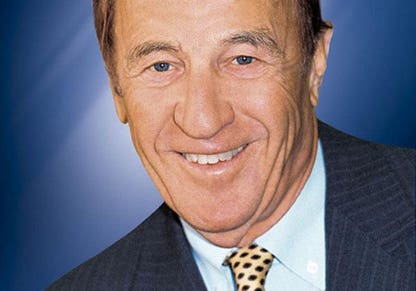
Albert Ueltschi: From Hamburger Stand to Aviation Billionaire
The annals of aviation are filled with stories of daring pilots and visionary engineers, but few embody the spirit of entrepreneurial grit and transformative impact quite like Albert Lee Ueltschi. Born in Frankfort, Kentucky, in 1917, Ueltschi's journey from a young boy captivated by radio broadcasts to a titan of the aviation industry and a leading global philanthropist is nothing short of legendary. His remarkable career not only reshaped pilot training worldwide but also demonstrated how immense wealth, reflected in an estimated
Albert Ueltschi net worth of $2.1 billion by 2012, could be leveraged for profound humanitarian good.
The Genesis of a Dream: "Little Hawk" and Early Flights
Albert Ueltschi’s passion for flight was ignited early. The year was 1927, and a ten-year-old Albert listened intently to the radio broadcast detailing Charles Lindbergh’s historic transatlantic flight. That moment etched a clear path for his future. Unlike most children who merely dream, Ueltschi immediately set out to make his aspirations a reality.
To fund his flying lessons, a young Albert displayed an innate entrepreneurial flair. He opened a hamburger stand named "Little Hawk" in Frankfort, strategically located near his high school and across from a local chain restaurant. This humble venture was more than just a source of income; it was his first lesson in business, sacrifice, and the direct correlation between hard work and achieving a goal. The profits from Little Hawk weren't spent on frivolous desires but meticulously saved for his greatest ambition: to fly. By the tender age of 16, Ueltschi was not just dreaming of flight but actively executing solo flights, a testament to his determination and precocious talent.
His commitment to aviation was so profound that he ultimately dropped out of the University of Kentucky after just one year. Instead, he chose to immerse himself fully in the world of aviation, barnstorming across the country and giving flying lessons. This hands-on, practical approach to learning and mastering his craft became a hallmark of his career. Indeed, one legendary story from his early teaching days recounts him surviving falling out of his airplane during an instruction flight, parachuting safely while his student, under extreme duress, managed to land the plane alone—a dramatic testament to his foundational belief in thorough pilot training. His early experiences laid the groundwork for his future, demonstrating a relentless drive and an unconventional path to success that would define his legacy.
Pioneering Aviation Training: The Genesis of FlightSafety International
Ueltschi's career trajectory saw him move from teaching to flying for Pan American World Airways in 1941, where he served as the personal pilot to the legendary Juan Trippe, Pan Am's visionary president. This period was invaluable, exposing him to the highest echelons of professional aviation. It was during his tenure at Pan Am that Ueltschi identified a critical gap in the aviation industry: while airline pilots received rigorous and standardized training, corporate and private pilots often lacked access to the same level of comprehensive and consistent instruction. This observation sparked an idea that would revolutionize aviation safety forever.
In 1951, Ueltschi acted on this insight and founded FlightSafety International. His mission was clear: to provide professional, standardized, and high-quality training for pilots across all sectors of aviation. He started with a simple yet profound motto that remains central to FlightSafety's philosophy today:
"The best safety device in any aircraft is a well-trained crew." This wasn't just a catchy phrase; it was a deep-seated belief that safety was paramount and directly linked to the proficiency of the individual at the controls. Juan Trippe, recognizing the wisdom in Ueltschi's vision, provided crucial early endorsement.
FlightSafety International grew steadily, becoming the world's foremost aviation training organization. Ueltschi took the company public in 1968, a strategic move that allowed for significant expansion. By 1996, his entrepreneurial acumen led to one of the most significant deals in aviation history: he sold FlightSafety International to Warren Buffett’s Berkshire Hathaway for an impressive $1.5 billion in stock. This transaction significantly boosted Albert Ueltschi's net worth, cementing his status as an aviation billionaire. Despite stepping down as President in 2003, Ueltschi remained Chairman, honoring his pledge to Buffett to maintain his holdings and continue his involvement, a testament to his unwavering commitment to the company he built. His meticulous approach to training, relentless pursuit of excellence, and profound understanding of aviation safety continue to impact pilots globally. To learn more about how his innovations reshaped the industry, read our dedicated article:
Albert Ueltschi: The Visionary Who Transformed Pilot Training.
Philanthropy: A Vision Beyond the Horizon
While Albert Ueltschi's business achievements are monumental, his philanthropic endeavors reveal a heart as vast as his ambition. He viewed his financial success not as an end but as a means to tackle some of the world's most pressing health challenges. His commitment to humanitarian causes was as profound and impactful as his work in aviation.
One of his most significant contributions was to Orbis International, one of the world's largest blindness charities. Ueltschi not only helped launch this nonprofit global development organization but also served as its Chairman Emeritus. Orbis is renowned for its Flying Eye Hospital, a specially equipped aircraft that travels the world, bringing sight-saving surgery and training to doctors in developing countries. Its mission to eliminate avoidable blindness perfectly aligned with Ueltschi's pragmatic and hands-on approach to problem-solving.
In 2010, at a remarkable age, Ueltschi co-founded HelpMeSee with his son, James. This organization represents a cutting-edge approach to addressing blindness in the developing world. HelpMeSee aims to directly fund surgeons performing low-cost lens replacement surgery for blind individuals and, more ambitiously, to train 30,000 cataract specialists in Manual Small Incision Cataract Surgery (MSICS). This scalable model leverages advanced techniques and training to make a profound impact on a global scale. Ueltschi's philanthropic vision mirrored his business philosophy: identify a critical need, develop an effective and scalable solution, and execute with precision and dedication. His efforts have provided the gift of sight to countless individuals, a humanitarian legacy that rivals his aviation achievements. Explore the profound impact of his generosity in our article:
Albert Ueltschi's Billion-Dollar Impact on Global Blindness.
The Enduring Legacy of Albert Ueltschi: A Billionaire with a Purpose
Albert Lee Ueltschi, who passed away on October 18, 2012, at the age of 95, left behind an indelible mark on the world. His life story is a powerful narrative of ambition, innovation, and profound generosity. From a humble hamburger stand to founding a global aviation training powerhouse, his journey underscores the extraordinary potential of focused determination. By 2012, Forbes estimated
Albert Ueltschi's net worth at $2.1 billion, ranking him 229th on the "Forbes 400" list and 683rd among the world's billionaires. Yet, his true wealth extended far beyond financial figures.
His contributions to aviation earned him deserved recognition, including enshrinement in the National Aviation Hall of Fame in 2001, alongside other legends like Frank Borman and Neil Armstrong. In 2013,
Flying magazine ranked him number 13 on its list of the "51 Heroes of Aviation," a testament to his transformative impact on the industry.
Ueltschi's legacy offers invaluable lessons for aspiring entrepreneurs and leaders:
- Identify Unmet Needs: He didn't just fly; he saw the need for better training and built an empire around it.
- Perseverance and Discipline: From Little Hawk to FlightSafety, his journey was marked by unwavering commitment.
- Innovation and Scalability: His philanthropic work, particularly with HelpMeSee, shows a strategic, scalable approach to global problems.
- Giving Back: His dedication to Orbis and HelpMeSee demonstrates that immense success can be channeled into profound humanitarian efforts.
Albert Ueltschi was more than an aviation executive; he was a visionary who understood the critical importance of training, safety, and giving back. His life is a compelling example of how a single individual, driven by passion and purpose, can not only achieve extraordinary personal success but also profoundly elevate humanity.